Primary Cell
A common type of primary battery widely used in household products and small devices.
ER recycles spent zinc-carbon batteries to put their resources to efficient use.
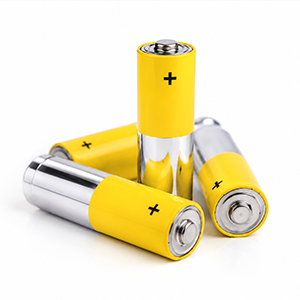
Primary batteries with higher capacity and longer life than zinc-carbon batteries, widely used in everyday devices.
Over the past 10 years, ER has processed more than half of Korea's alkaline battery volume under the EPR (Extended Producer Responsibility) scheme, building extensive experience in alkaline battery recycling.
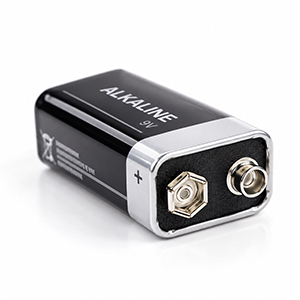
Non-rechargeable batteries with high energy density and long service life.
ER is the only recycler of primary lithium batteries in Korea.
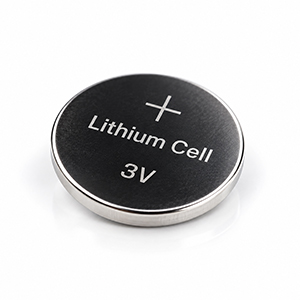
Secondary Cell
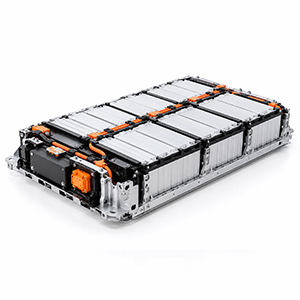
Rechargeable batteries used in electric vehicles (EVs).
ER processes spent EV batteries at pack, module and cell level and recovers the electrolyte before shredding.
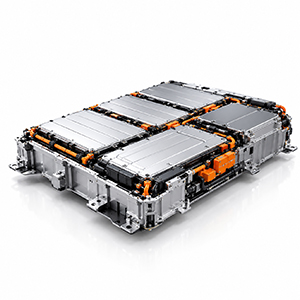
Rechargeable batteries used in energy storage systems (ESS).
ER processes spent ESS batteries at pack, module and cell level.
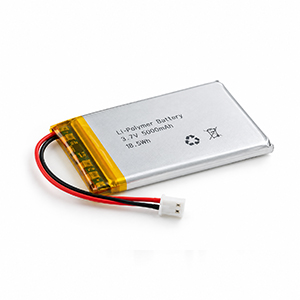
A variant of lithium-ion batteries that can be made in flexible shapes.
Widely used in drones and portable devices.
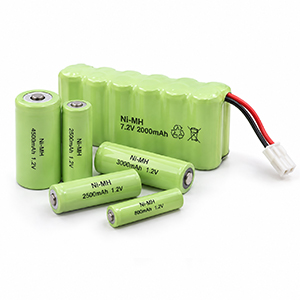
Cadmium-free batteries used mainly in hybrid vehicles and some electronic devices.
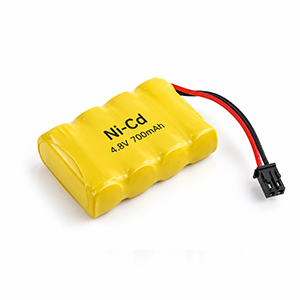
Known for high output and long service life. They contain cadmium, a hazardous substance, and require strict management.
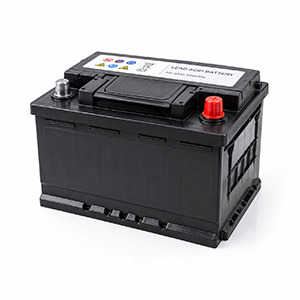
Commonly used as automotive starter batteries.
Low in cost and easy to recycle.
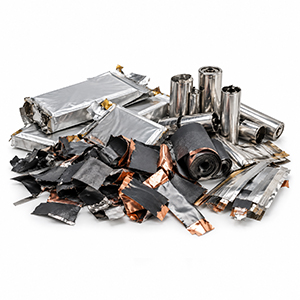
Defective cells and scrap generated during battery cell manufacturing.
ER processes production scrap together with spent batteries and supplies the resulting black mass to downstream recyclers.
 ENG
